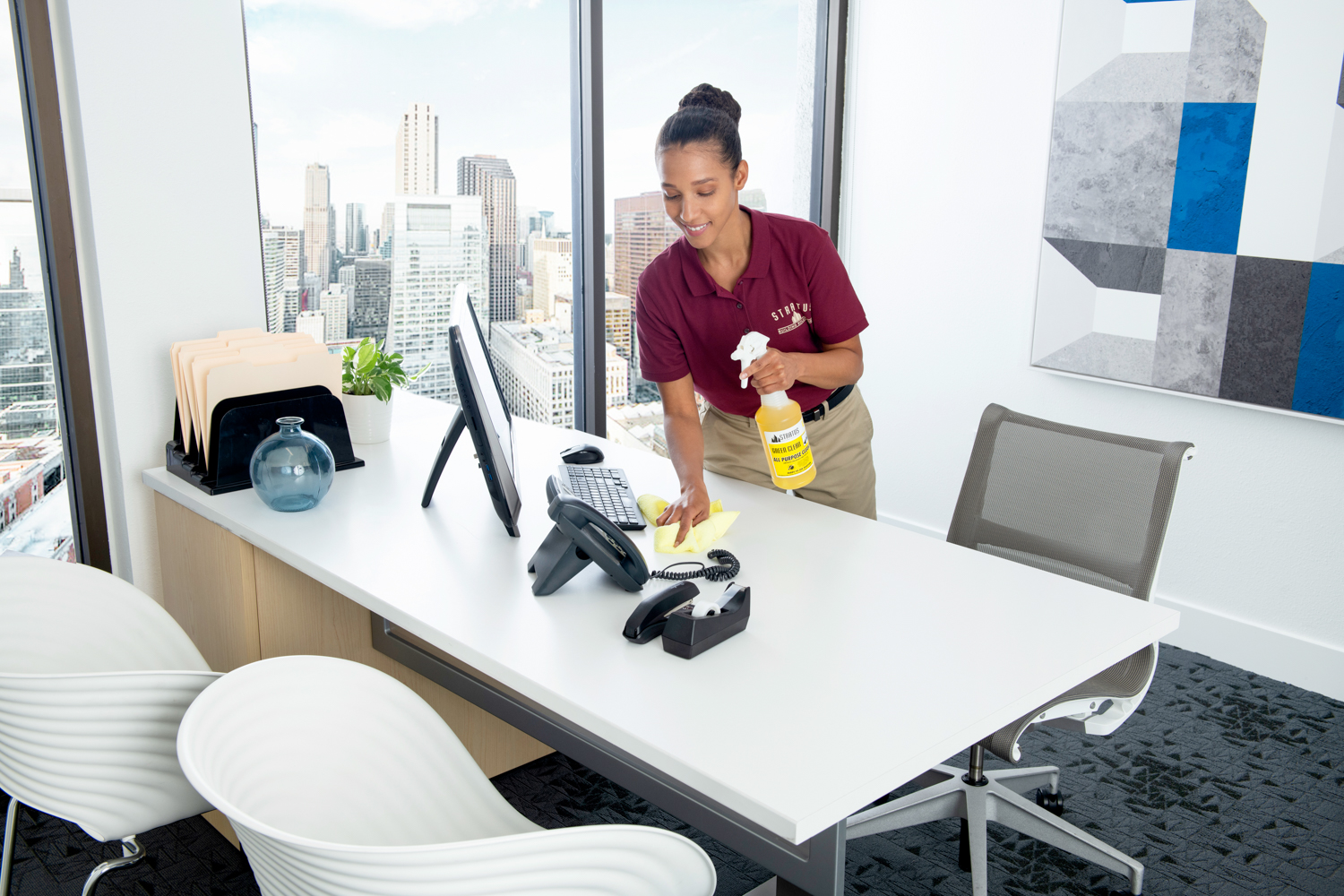
Let loose and unwind with friends and fellow coworkers at your annual holiday office party! Before the drinks start flowing and music starts pumping, someone has to start planning. There is a lot of prep that goes into bringing a party to life. Before you spend time decorating, you want to make sure your space is clean and welcoming with the appropriate office cleaning services.
This checklist will have you covered before the festivities begin and after they are over, so every aspect of your party goes smoothly.
Understanding the distinctions between cleaning, sanitizing, and disinfecting is crucial for maintaining a clean and healthy environment in your business. These three tiers of cleaning serve different purposes in terms of removing dirt, reducing germs, and preventing the spread of diseases. The level of cleaning that you will need in your office, warehouse, medical facility, or retail store will depend on the type of business that you are and the clientele that you serve.
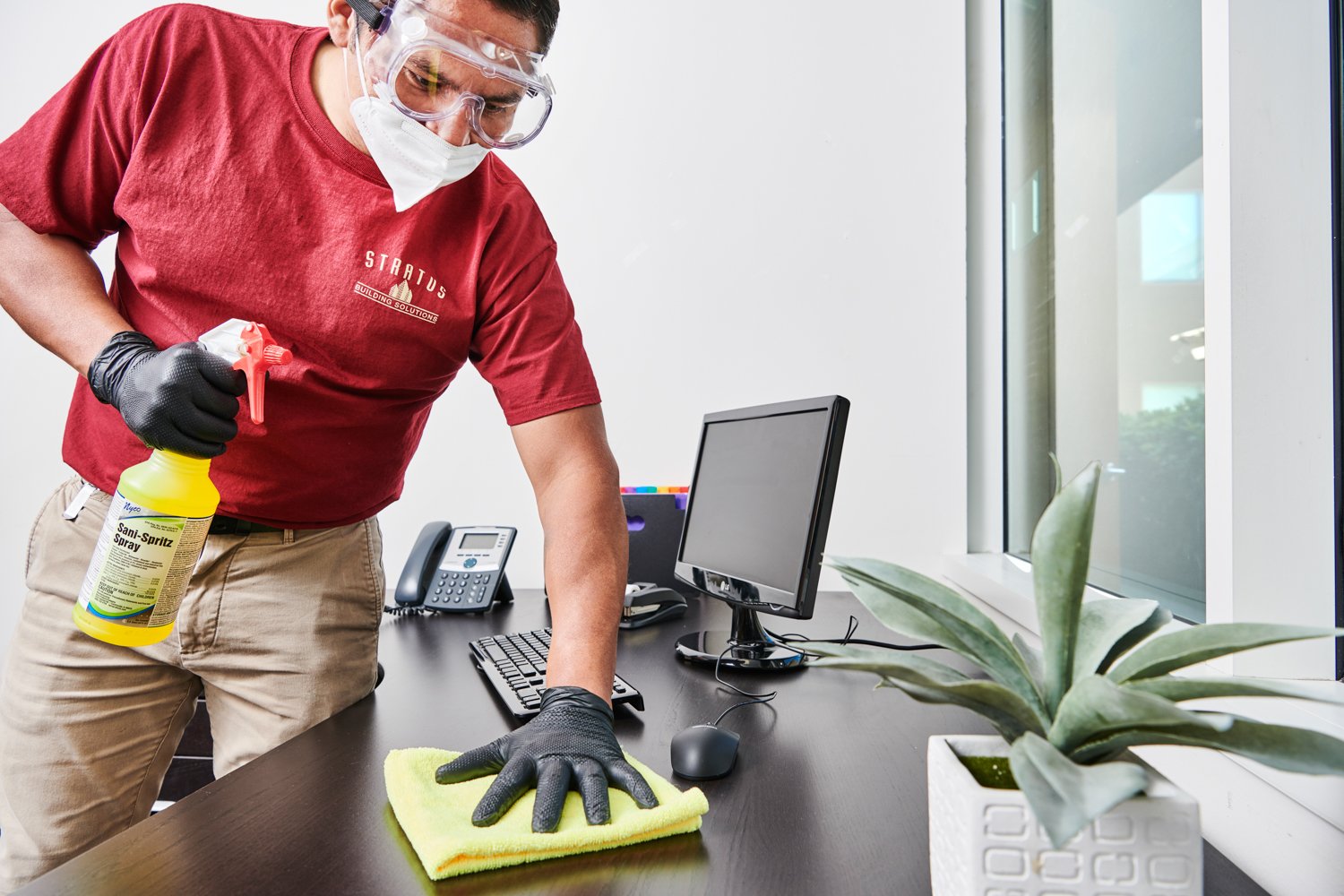
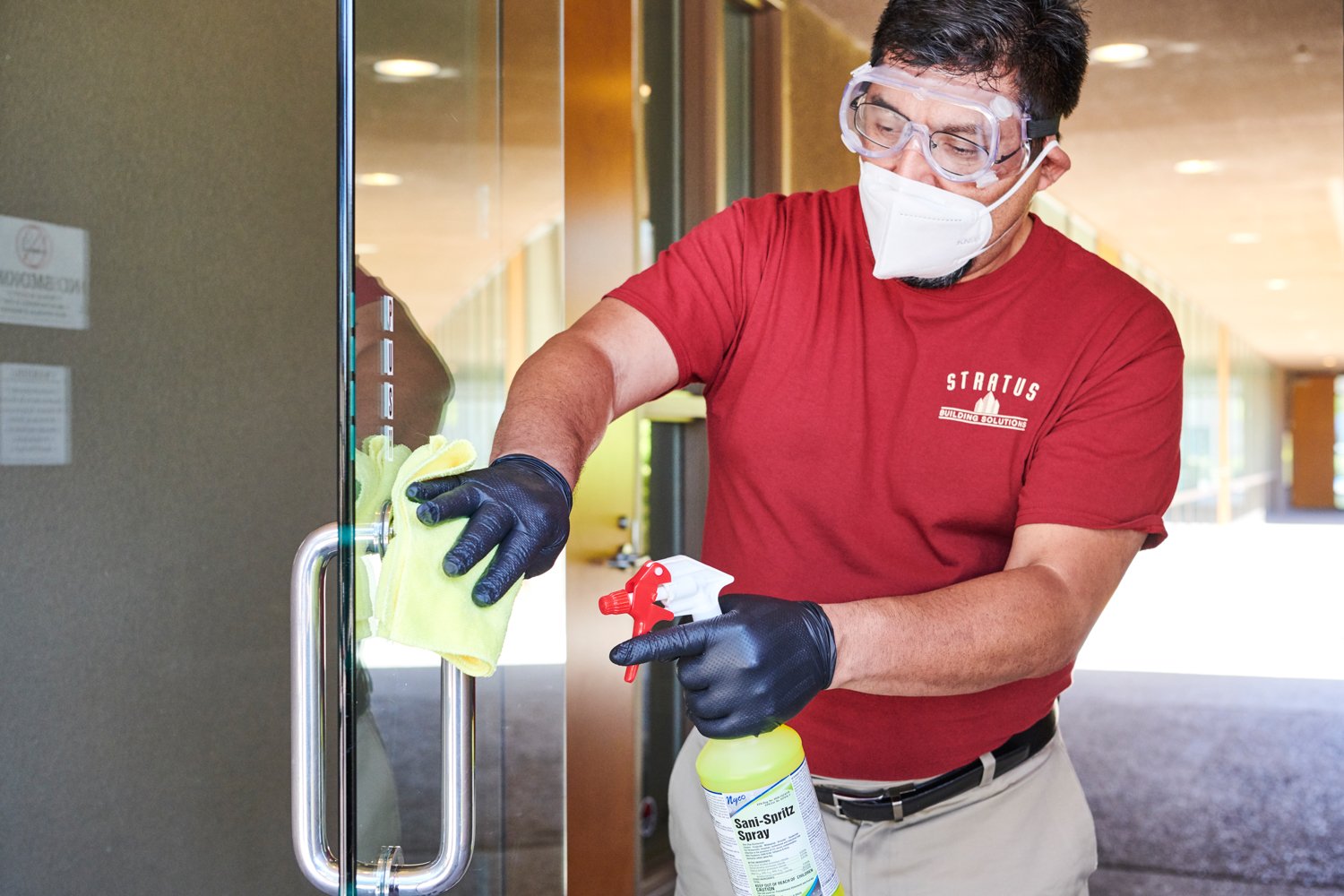
Amidst all the chaos and uncertainties of the coronavirus (COVID-19) pandemic, one of the first things to open back up is office buildings. We’ve managed to keep our homes clean and protect ourselves within comfortable environments, but many are wondering how to do this at their very own desk upon returning to work. What was once a familiar setting can now feel foreign as the pandemic rages on. This is why we have listed the top five tips for sanitizing your desk and office space.
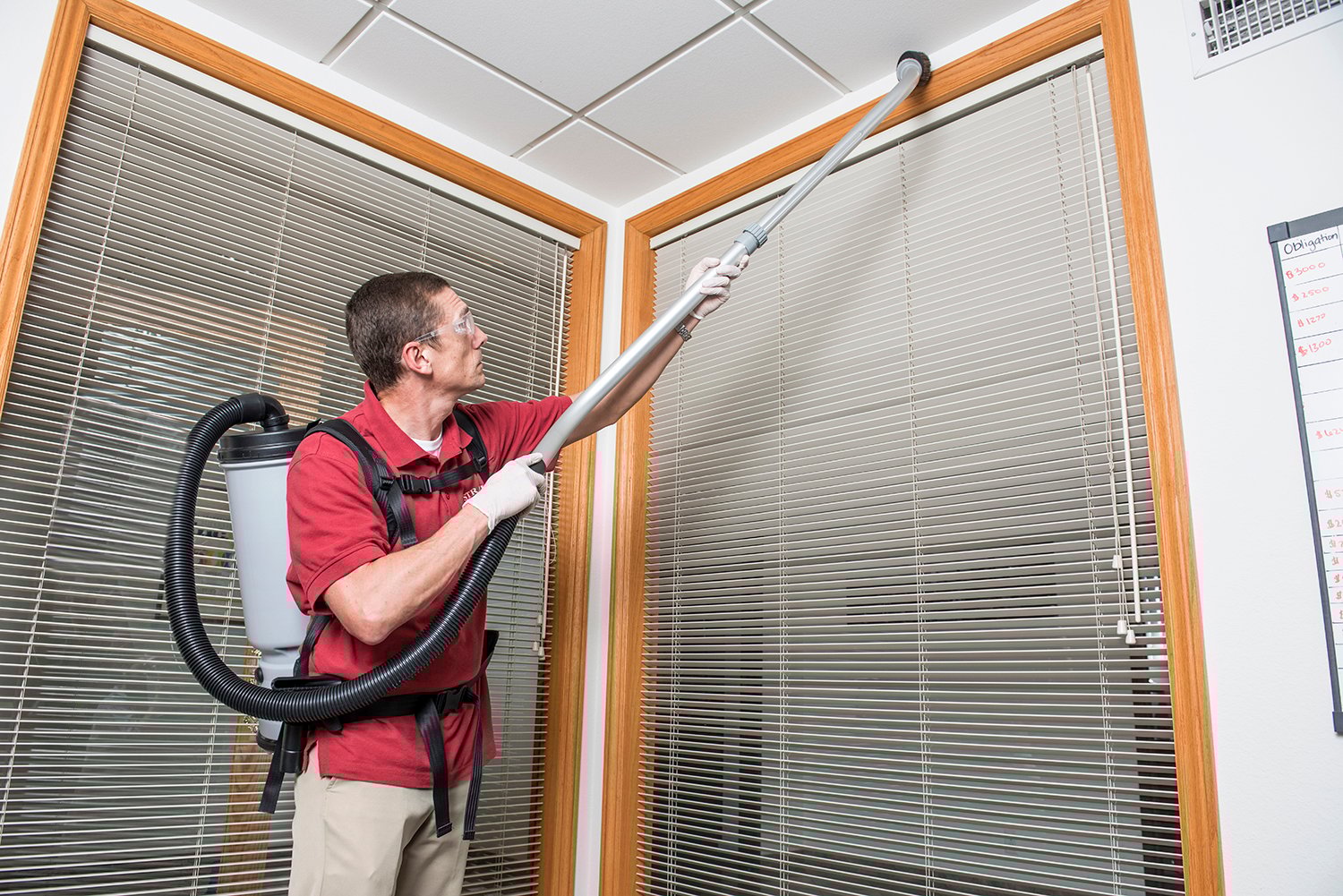
Commercial cleaning is essential to any business operating in the post-COVID-19 era. When you hire experienced professionals to clean and sanitize your environment, you make a great impression on potential customers. Learn what commercial cleaning and sanitization entail and why they are a vital part of your property maintenance.
It’s time to hire an office cleaning service. At some point, the threat of the coronavirus is going to pass. But the memory of this outbreak and the reality of that infectious germs are a part of everyday life, will continue to be with us.
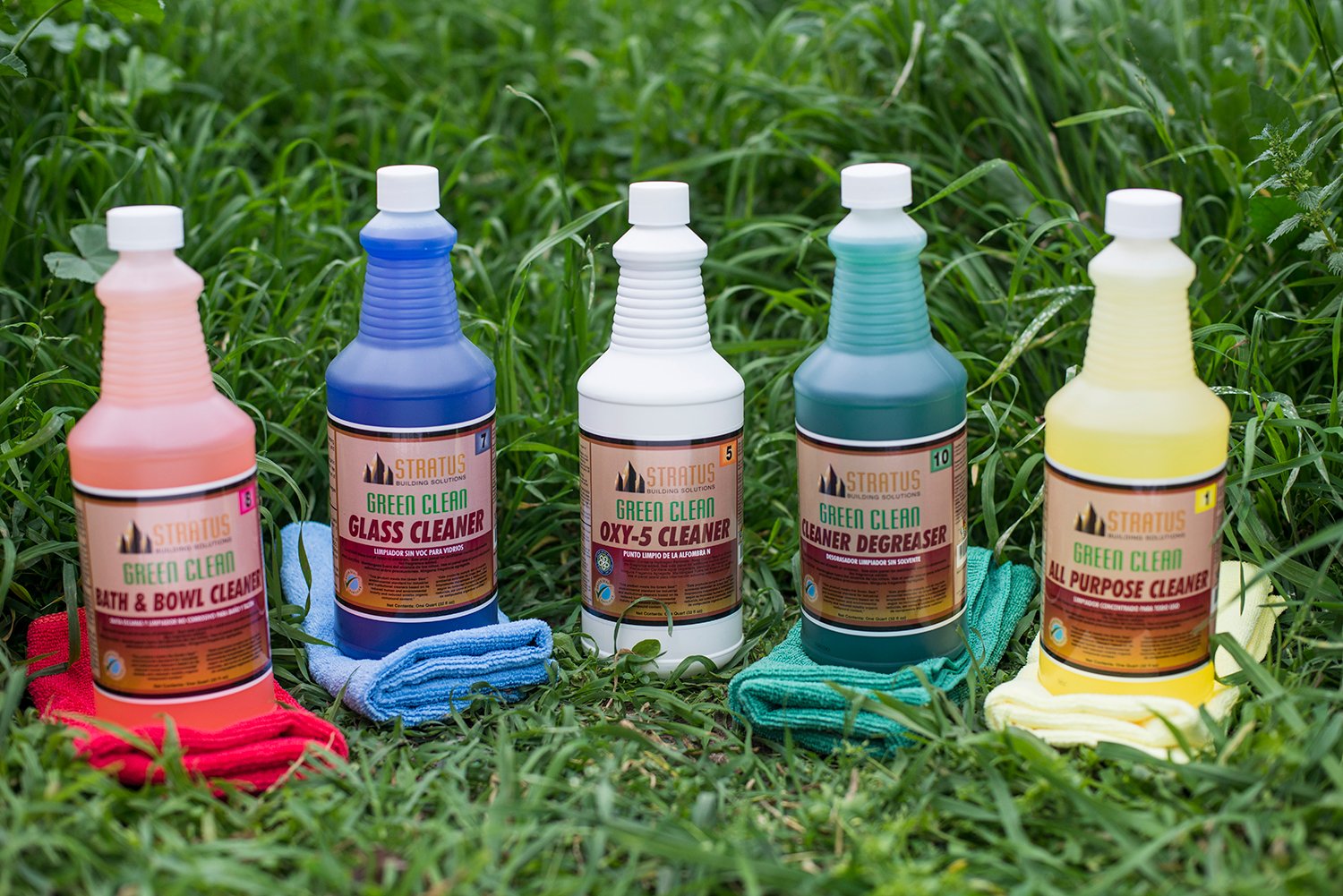
If you want to keep your employees healthy and coming to work, you want to make sure your workplace uses green cleaning practices.
We probably don’t need to say why keeping your workplace free of germs, in this age of the Coronavirus and the flu. Plus, you probably don’t need much persuading that green cleaning is smart and necessary. You probably got the memo a long time ago, that the environment is important. Nobody wants dangerous chemicals seeping into the soil and eventually our waterways.
It may be unfair, but we often judge people who are messy. For instance, if you’re interviewing somebody for a job interview, and they have a mustard stain on their shirt and haven’t combed their hair, you’re probably going to think they aren’t the best person for this position. For all you know, a hot dog vendor attacked your candidate just before the interview, and got mustard on his or her outfit, but you’re not likely to consider that, are you? Nope, you’re going to think, “I’m not hiring this joker.”
Unfair, but true – we form opinions when we see an unkempt mess.
Few people would disagree that it’s important to be clean, and if you own a business, you probably don’t need much persuading. After all, if you run an enterprise that looks like a dump, you know very well that your customers (or soon-to-be ex-customers) will give you an earful.
But keeping your business clean is especially vital during the winter. We’re in the midst of flu season, and that’s nothing to sneeze over. In fact, the flu is said to cost the country 7 billion a year in sick days and productivity.
Fall and Winter months are notoriously spent indoors for most of us. During these months, Americans spend over 90% of our time inside. Besides the spread of the typical colds, flus and “Sick Building Syndrome” that can run rampant during this time, allergies can wreak havoc on our health, well-being and productivity.
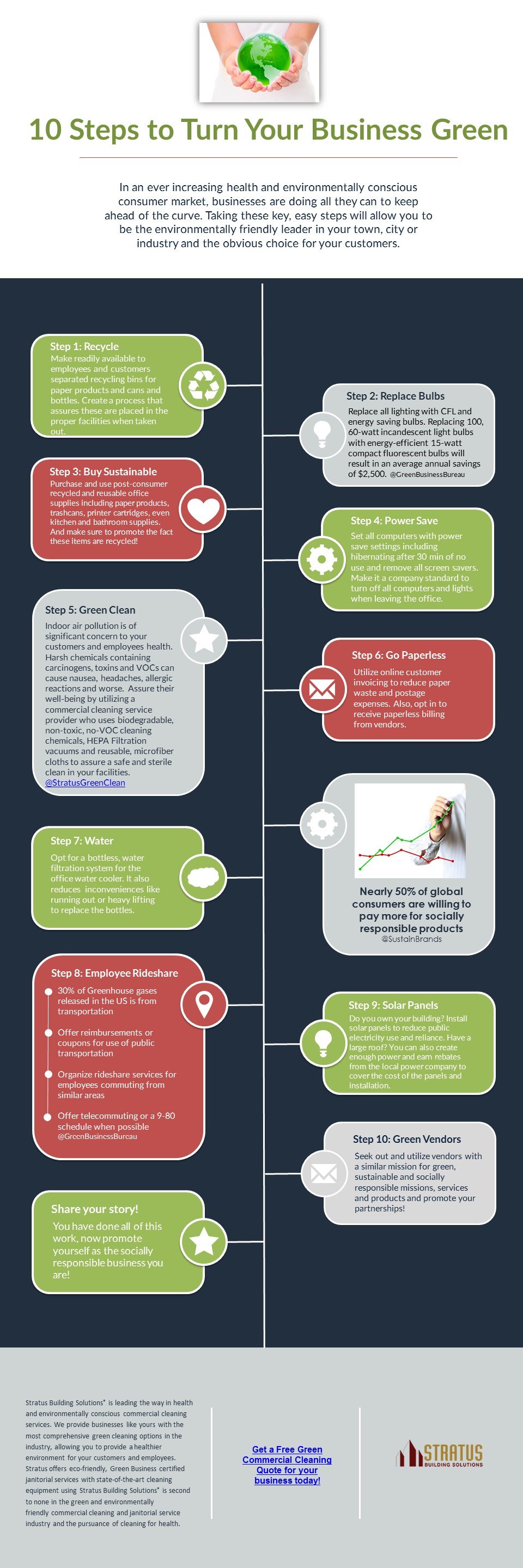
Eco-friendliness is on many people's minds these days, and one place where it's easy to make more environmentally friendly decisions is in the workplace. By changing up some simple daily habits and shifting routines, it's easy to help ensure your office taxes the environment as little as possible. Here are some simple steps you can take to go green at work.
The average person spends 90% of their day indoors, and this amount increases during the winter months. Paints, carpets, furniture, plastics, HVAC systems and cleaners all can contain certain levels of toxicity often in the form of Volatile Organic Chemicals (VOCs) which can in turn increase indoor pollution levels to 5-10x that of outdoors.
Cooler weather is upon us and most of the US has had the heat on for a few weeks now. Along with spending more time warm and indoors with windows sealed, late November through December is a high travel time which exposes all of our customers and employees to new germs; which allows businesses and offices to become incubators for these pathogens to spread. Taking few key steps during the next few months can keep your business healthy and make sure you and your employees can remain productive in this already hectic time of the year!
Adecco performed a recent survey that had some interesting findings.... some things to pay attention to if you work in an office with other people.
Bottom line: How you keep your desk influences what other people think of you.
Adecco found out:
The tips are designed to help office facilities develop more effective and comprehensive recycling initiatives. With a solid recycling program, companies can reduce their carbon footprint while also saving money.
“Now we want to focus on making recycling easy and consistent,” says Doug Berjer, product manager for CFR. “Many times, office recycling programs fall apart simply because staffers find them difficult to follow or easy to forget.”
Ever wonder the difference between disinfecting and sanitizing? Stratus doesn't (because we already know), but you might!
People use these terms interchangeably, but while they are similar, the law says they have very distinct differences.
Disinfectants: products that destroy all specific test organisms and [legally] must reduce the level of pathogenic bacteria by 99.999% during a time frame greater than 5 minutes but less than 10 minutes. (U.S Environmental Protection Agency guidelines)